
Problem
How do you make history feel urgent? Canadian stories—especially those of marginalized communities in small cities—are often relegated to dusty archives and academic texts. When LGBTQ+, Indigenous, and working-class voices from the 1920s do appear in media, they're frequently sanitized, tokenized, or erased entirely. Meanwhile, narrative games that tackle historical subjects tend to prioritize spectacle over authenticity, sacrificing cultural truth for broad appeal.
The challenge became layered: How do you create a detective game that feels thrilling and contemporary while honoring the weight of suppressed history? How do you make investigation mechanics feel supernatural and innovative without undermining the real-world stakes of the stories being told?
As I developed Age of Aquarius, I kept returning to a central tension: players needed to feel like they were uncovering secrets, not being lectured. The game had to reward curiosity and exploration while ensuring that marginalized voices weren't just background flavor—they had to be essential to solving the mystery. The historical setting couldn't be a costume; it had to be a character.
The solution was to merge experimental visual storytelling with supernatural investigation mechanics that made hidden histories tangible. Instead of presenting 1927 Nanaimo as a static backdrop, I designed a system where players literally peel back layers of suppressed truth using "Filterama"—a hallucinatory perception ability that reveals emotional residue, past conversations, and erased perspectives.
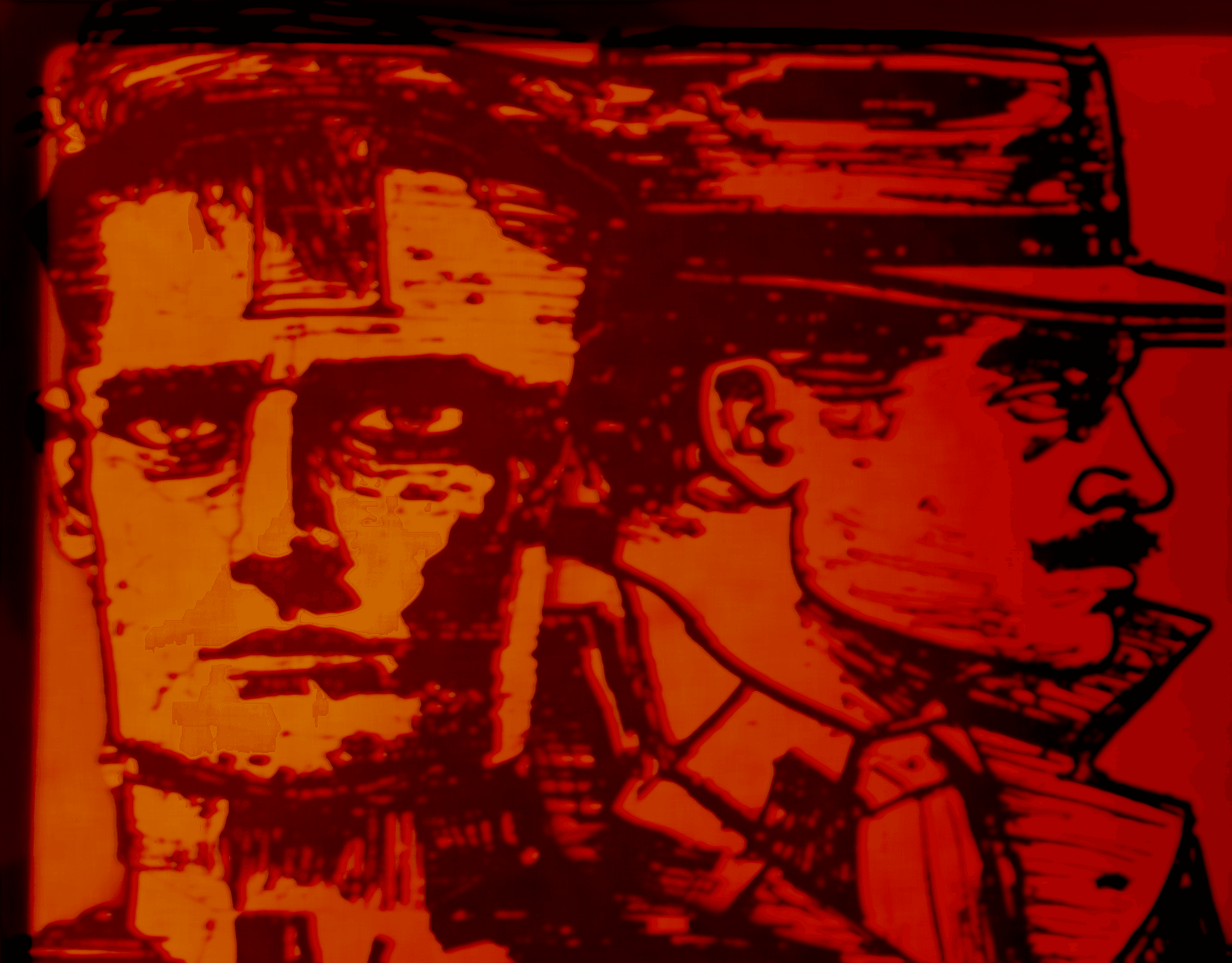
The core innovation came from a question: What if the game's visual style reflected its thematic goal? I developed an art pipeline using overhead projectors and transparency sheets—physically layering hand-drawn assets, photographing them under projected light, then digitizing the results. This created a distinctive "projected memory" aesthetic where the past feels ghostly, layered, and literally illuminated from within.
This wasn't just stylistic—it became the gameplay language. Players manipulate visual overlays in real-time: TraumaVision reveals violence and fear, BloodVision tracks lineage and connection, FearVision exposes lies, TimeVision shows how places looked before colonial influence. Each filter mode unveils information crucial to solving cases, but extended use causes disorientation—creating a risk-reward system where uncovering truth has a psychological cost.
Design Pillars
Design pillars that guided development:
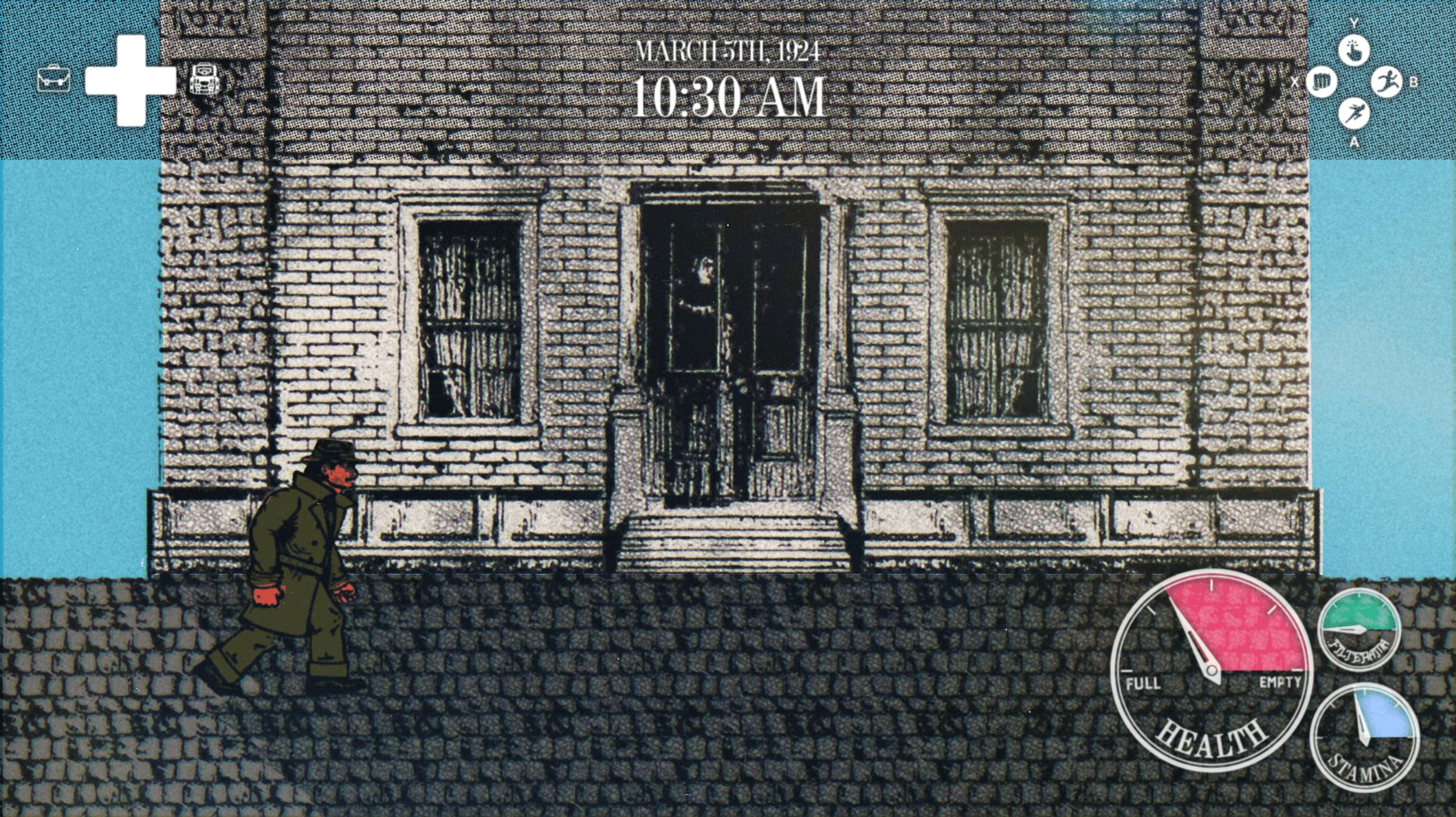
Diegetic everything: All UI exists as physical objects in-world (coat pockets as menus, detective's watch as HUD)
Tactile investigation: Players don't click highlighted objects—they slide, align, and merge transparency layers to reveal clues
Living consequences: Every choice ripples through faction relationships, available storylines, and city dynamics
Authentic representation: Community consultation ensures marginalized voices drive the narrative rather than decorate it
The detective story follows Hudson Harwell's search for his missing sister, which uncovers the Aquarian Foundation cult's conspiracy to drain Nanaimo's economy. But the real mystery is deeper: Why were certain voices erased from history, and what happens when we make them visible again?
Through dynamic traversal (rooftop parkour, underground tunnels, railcar rides), consequential choices, and a branching narrative system that tracks relationships with police, queer networks, Indigenous knowledge keepers, and working-class organizers, the game becomes more than investigation—it becomes excavation of suppressed memory.
Diegetic Design: The World as Interface
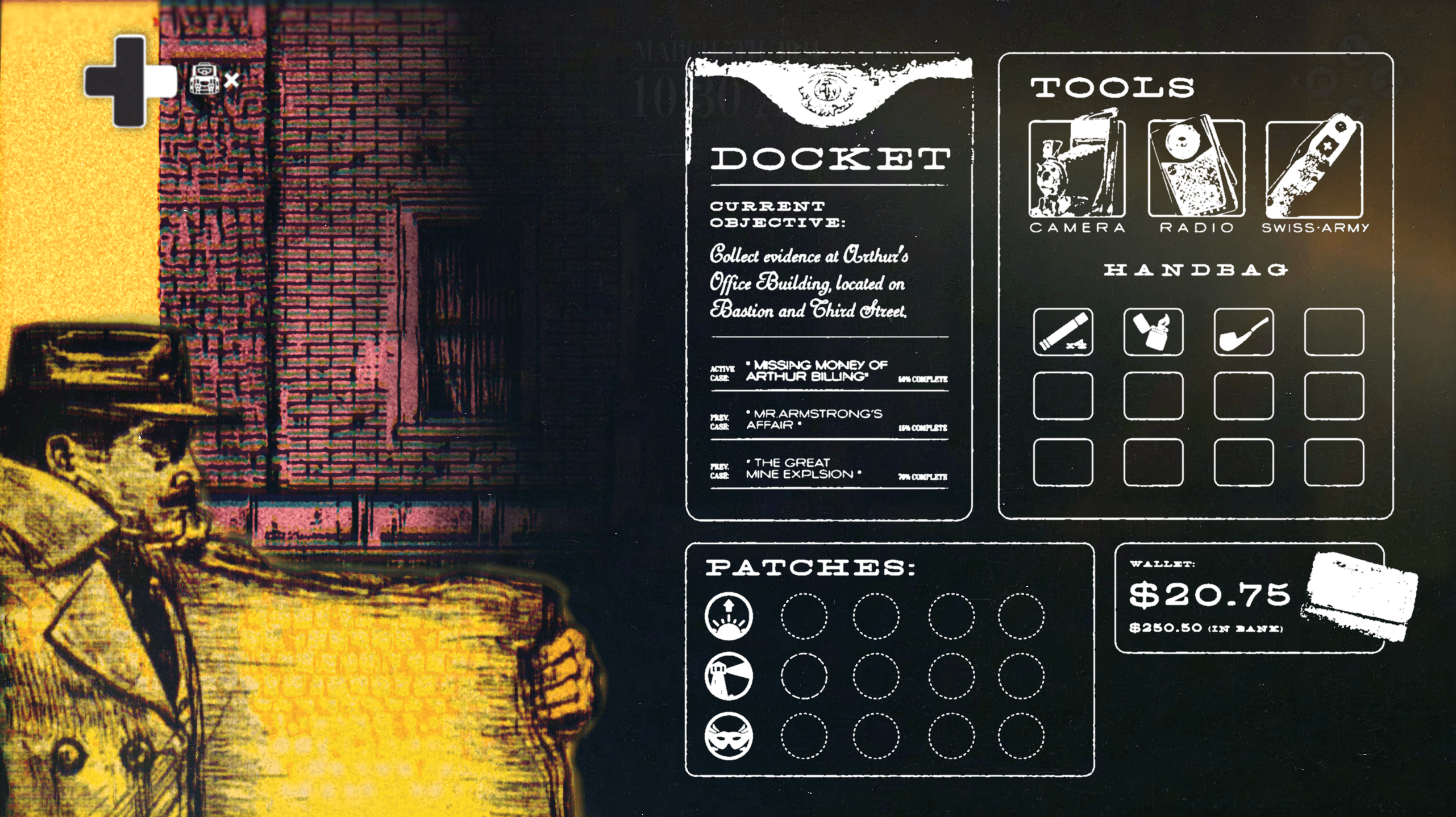
Every UI element in Age of Aquarius exists as a physical object within the game world. This "diegetic interface" approach eliminates immersion-breaking menu screens while reinforcing the game's tactile, analog aesthetic.
The Detective's Coat as Menu System: Hudson's coat functions as the primary interface. Each pocket contains specific categories:
Left inside pocket: Active case dockets and evidence photographs
Right inside pocket: Character relationship notes and cultural context documents
Left outside pocket: Investigation tools (camera, recorder, lockpicks)
Right outside pocket: Consumables (cigarettes for focus, whiskey for steadying nerves)
Coat lining: Collectible patches that modify abilities (combat moves, social options, traversal skills)
Opening the coat pauses time and zooms into a detailed view where players can interact with items naturally—flipping through photographs, reading handwritten notes, examining evidence. This maintains period authenticity while providing clear functional feedback.
The Watch as HUD: The detective's pocket watch displays health (spring tension), focus (jewel clarity), and stamina (second hand speed) through period-appropriate gauges. During Filterama use, the watch face flips over to reveal supernatural perception controls, creating a physical metaphor for "turning inward" to access heightened senses.
Environmental UI: Quest markers don't float above locations—instead, players receive physical addresses written on docket pages. Navigation requires reading street signs, asking NPCs for directions, and consulting a period-accurate city map kept in the coat pocket. This forces environmental awareness and makes exploration feel like genuine investigation rather than waypoint following.
Accessibility Considerations
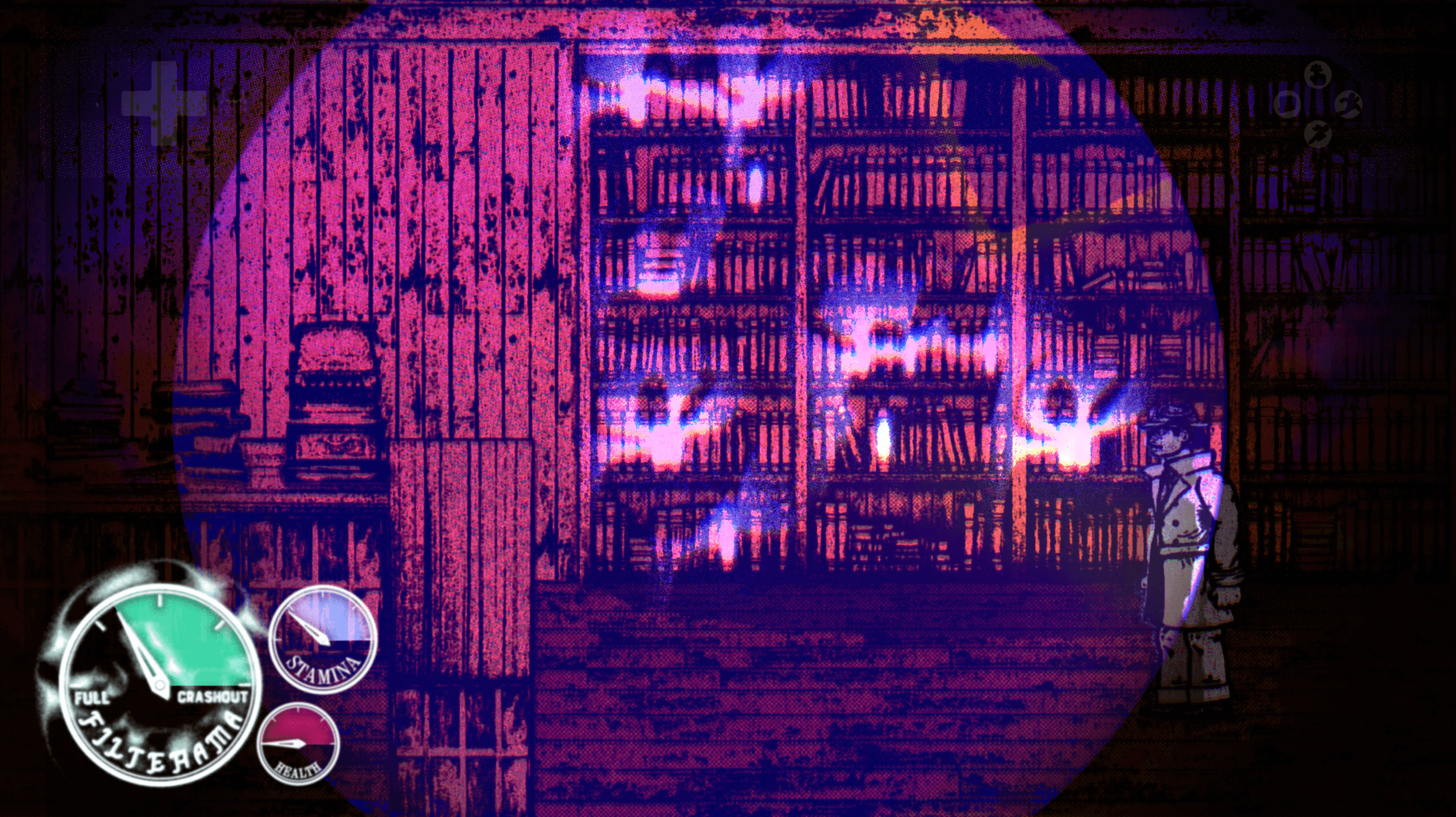
While diegetic design is immersive, it risks creating accessibility barriers. To address this, I designed optional "assistance" modes that maintain world consistency:
Navigation assistance: Players can hire a local guide (represented as an NPC companion) who verbally directs them to locations
Text size scaling: In-world documents dynamically adjust font size when "held closer" to the camera
Color filter accessibility: Filterama modes can be remapped to different color combinations for colorblind players, with in-universe explanation that Hudson's perception is unique to him
Combat accessibility: The patch system allows players to customize difficulty by equipping abilities that slow time, increase damage, or provide defensive buffs
These solutions preserve immersion while ensuring the game remains playable for diverse audiences.
Cultural Representation as Core Mechanic
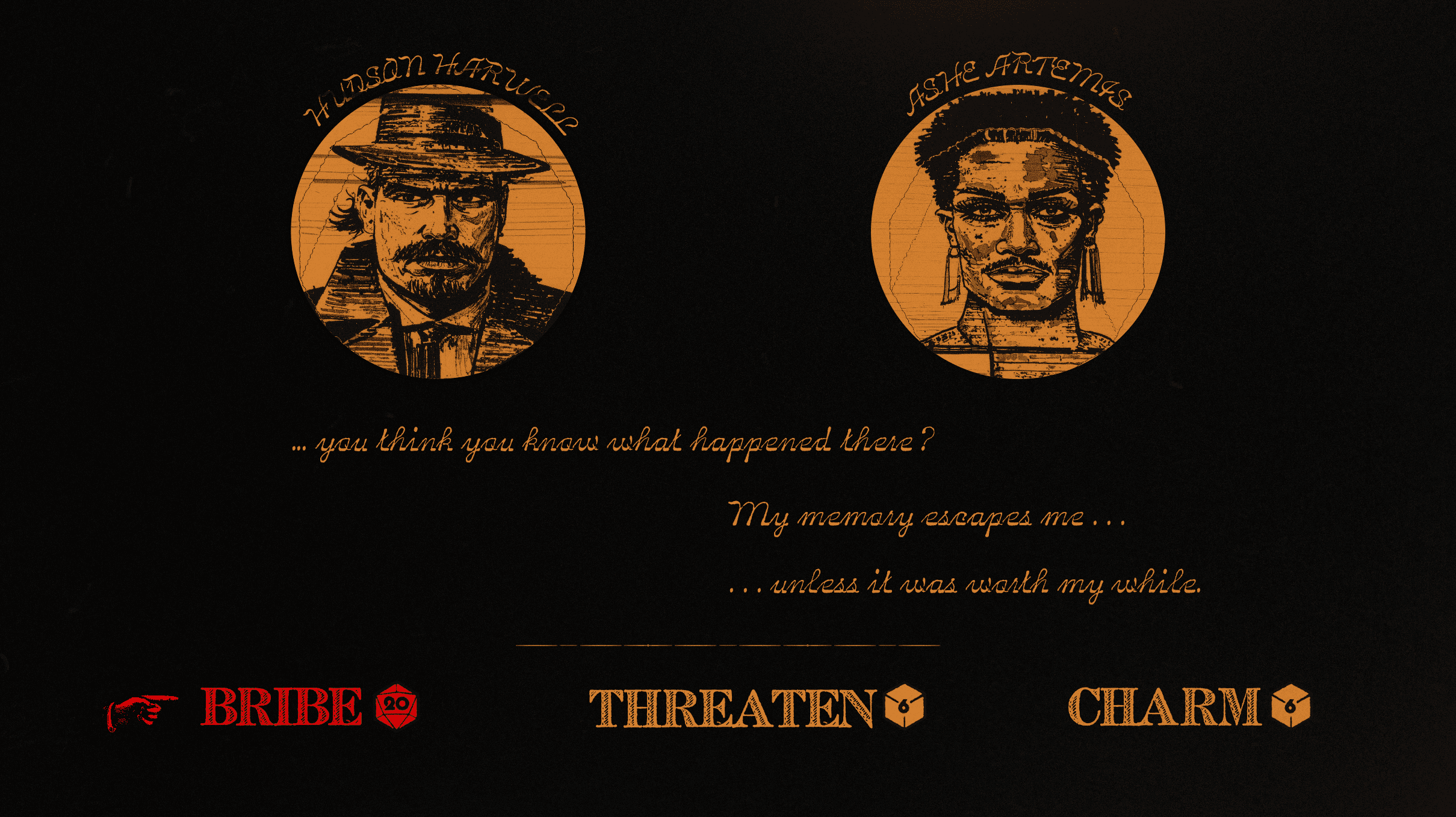
Age of Aquarius doesn't treat marginalized perspectives as optional side content—they're essential to solving the central mystery. The game's structure ensures players must engage meaningfully with LGBTQ+, Indigenous, and working-class communities to progress.
Snuneymuxw Voices: TimeVision's ability to reveal pre-colonial landscapes isn't just aesthetic—it's investigative necessity. Multiple cases require understanding how locations functioned before colonial development. A murder site near the harbor might only make sense when players see it was originally a Snuneymuxw seasonal fishing camp, revealing cultural tensions that motivated the crime.
Indigenous knowledge keepers provide crucial context for supernatural phenomena that European-descended characters dismiss or misinterpret. Building trust with these NPCs unlocks not just information, but alternative investigation pathways that respect cultural protocols rather than exploiting them.
Queer Underground Networks: The hidden speakeasies, art collectives, and mutual aid networks maintained by LGBTQ+ communities aren't quest hubs—they're functional systems that provide safe houses, information networks, and alternative economies. Players who treat these communities with respect gain access to resources unavailable through official channels.
One storyline involves a queer artist whose coded paintings contain evidence about the Aquarian Foundation's financial crimes. Deciphering these requires understanding Polari and period-specific queer signaling—information players learn by building genuine relationships rather than extracting data.
Working-Class Solidarity: Labor organizers, dock workers, and service industry employees form their own intelligence network. They see things wealthy suspects miss and hear conversations that aren't guarded around "the help." Players who pay fair wages to informants, support union organizing, and demonstrate class consciousness gain access to working-class spaces where crucial plot developments unfold.
Community Consultation Process: Every representation decision involved consultation with relevant community members:
Snuneymuxw cultural advisors reviewed depictions of traditional practices and pre-colonial landscapes
Local LGBTQ+ historians provided context on period-specific queer life and resistance strategies
Labor historians ensured working-class struggles were portrayed with accuracy and respect
This wasn't one-time approval—it was ongoing collaboration that shaped mechanics, narrative beats, and visual design throughout development.
Why This Matters for Game Design
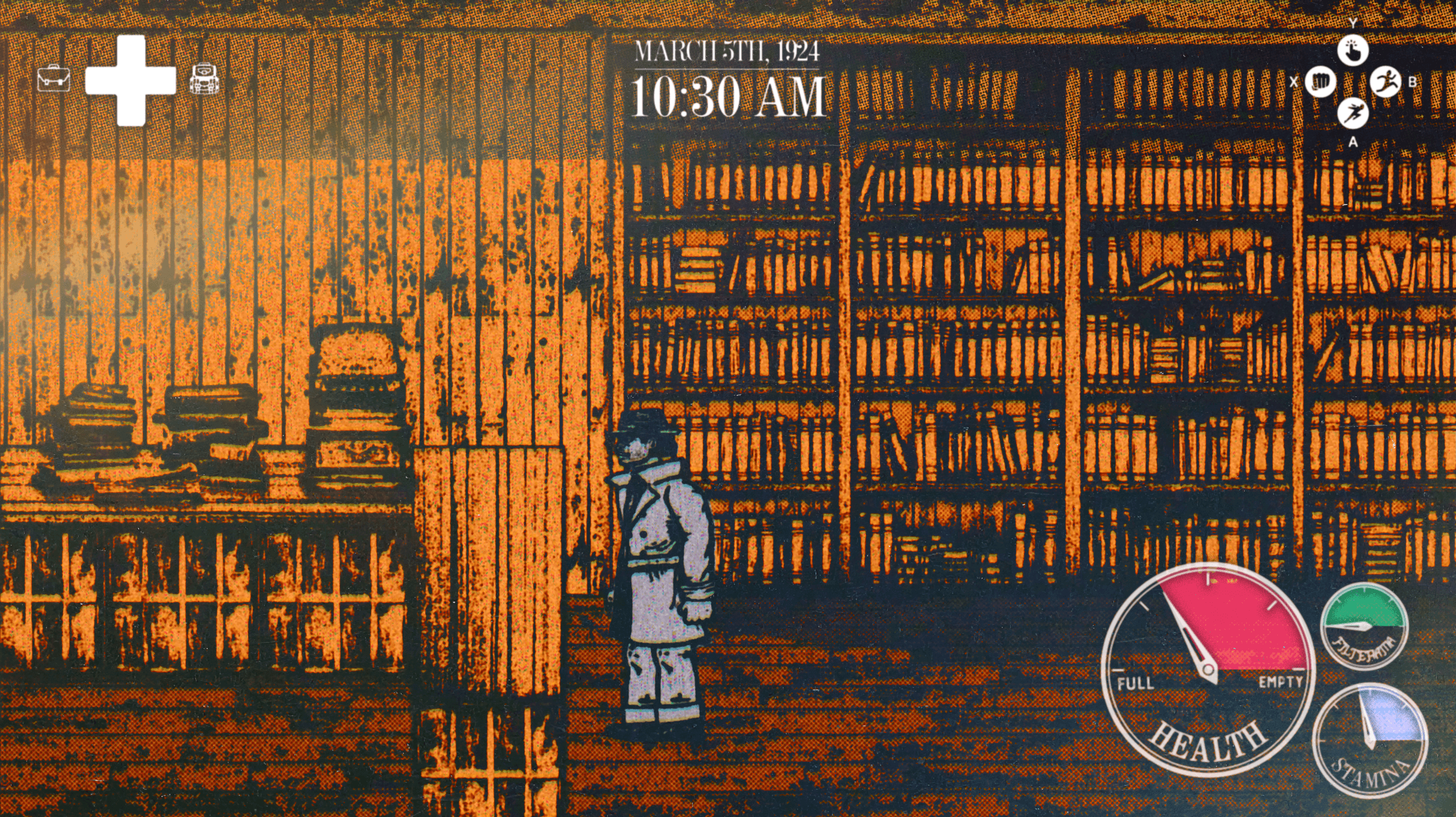
Making cultural representation core to gameplay rather than cosmetic creates mechanical incentives for respectful engagement. Players can't steamroll through investigations—they must slow down, listen, build trust, and understand cultural context.
This approach challenges common game design assumptions about player agency and efficiency. Instead of rewarding the fastest path to completion, Age of Aquarius rewards thoroughness, cultural sensitivity, and community building. The most efficient investigation routes require the most meaningful character relationships.
By embedding representation in systems rather than just narrative, the game ensures marginalized voices aren't ignorable flavor text—they're fundamental to how the game works.
Technical Innovation: Godot & Experimental Media
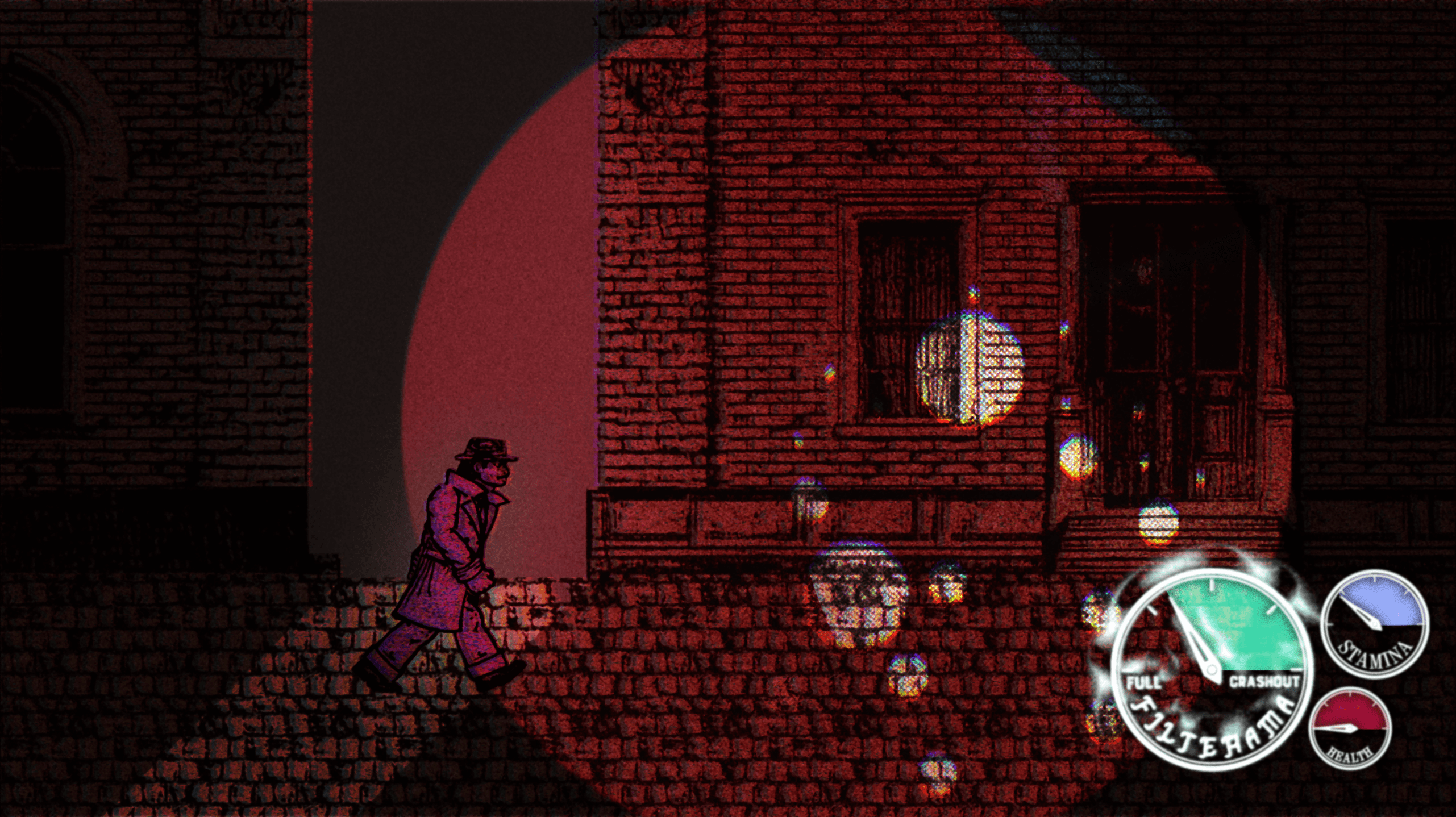
The technical architecture of Age of Aquarius required pushing Godot's 2D capabilities into new territory. The engine's open-source nature and robust shader system made it ideal for experimental rendering techniques, but the overhead projector aesthetic demanded custom solutions.
Primary Technical Challenges:
1. Filterama Rendering System: The most CPU-intensive aspect is real-time transparency blending. Players can overlay up to four colored filters simultaneously, each affecting lighting, revealing hidden objects, and altering environmental details. This requires:
Custom shader pipelines that blend layers without exponential performance cost
Dynamic masking systems that reveal/hide objects based on filter combinations
Real-time lighting calculations that simulate projected light behavior
Optimization techniques to maintain 60fps even on lower-spec hardware (Steam Deck compatibility was essential)
2. Living World State Management: Tracking hundreds of variables—NPC relationships, business statuses, environmental changes, completed quests—while maintaining narrative coherence across branching paths required building a custom state machine architecture. The system needed to:
Store persistent data about every player choice without bloating save files
Trigger appropriate narrative branches based on accumulated decisions
Ensure no story beats became inaccessible due to earlier choices (avoiding "soft locks")
Handle time-based events (seasonal changes, business closures, NPC schedule shifts)
3. Adaptive Audio Integration: The soundscape combines diegetic location recordings (actual sounds that exist in the game world) with non-diegetic emotional underscoring. The audio system needed to:
Transition seamlessly between diegetic and non-diegetic layers
React dynamically to Filterama use (supernatural tones blend with environmental audio)
Incorporate recorded antique equipment sounds for UI interactions (typewriter clicks, watch springs, coat fabric rustling)
Sync with narrative beats without feeling scripted
Why Godot Over Unity/Unreal:
2D-first architecture: Unlike Unity/Unreal's 3D engines with 2D modes, Godot is built for 2D, resulting in better performance and easier optimization
Open-source: No licensing fees, which matters for indie budgets and long-term sustainability
Native export support: Steam, Steam Deck, PC, and future console platforms without middleware
Shader flexibility: GDScript and custom shaders allow precise control over the projection aesthetic
Asset Pipeline & Production Workflow

The experimental media pipeline required careful workflow planning:
Traditional illustration (ink on paper for characters and architecture)
Transparency preparation (selected assets printed on acetate sheets)
Projection photography (overhead projector lighting captured at multiple exposures)
Scanning and digitization (high-res preservation of analog artifacts)
Shader development (translating physical properties into real-time rendering)
In-game implementation (integrating assets into Godot with appropriate layering)
This pipeline is labor-intensive but artistically essential. The analog characteristics captured through projection photography—dust patterns, light scatter, chromatic aberration—cannot be convincingly faked with digital filters. They're baked into the source material, giving every asset authentic texture and depth.
Reflection: History as Gameplay
Age of Aquarius taught me that the medium is the message. By making the visual style inseparable from the investigation mechanics, the game's form reinforces its themes: history is layered, truth must be actively uncovered, and marginalized voices require intentional listening to be heard.
What worked:
The overhead projector aesthetic immediately communicates tone and period without explanation
Diegetic interface design keeps players immersed while providing clear functional feedback
Making cultural engagement mechanically necessary ensures representation isn't optional
The risk-reward Filterama system creates strategic depth while serving thematic goals (uncovering truth has a cost)
What I'd refine:
The transparency blending system needs further optimization for consistent performance across hardware
Some investigation puzzles require too much trial-and-error—could benefit from better environmental hints
The branching narrative sometimes creates pacing issues when players pursue subplots out of intended sequence
Accessibility features need more robust testing with diverse player groups
Broader takeaway: This project proved that experimental aesthetics can drive gameplay innovation. The overhead projector concept wasn't just a visual flourish—it became the core mechanic, the narrative metaphor, and the technical challenge that pushed every system to work harder. When form and function align this deeply, players experience themes rather than just reading about them.
Commercial and Cultural Impact: The game's authentic representation creates value beyond entertainment—it's educational without being didactic, culturally significant without being dry, commercially viable without compromising integrity. This positions it uniquely for festival recognition, educational licensing, and community partnerships while maintaining mainstream appeal through strong detective gameplay.