

Designing with kids, for kids
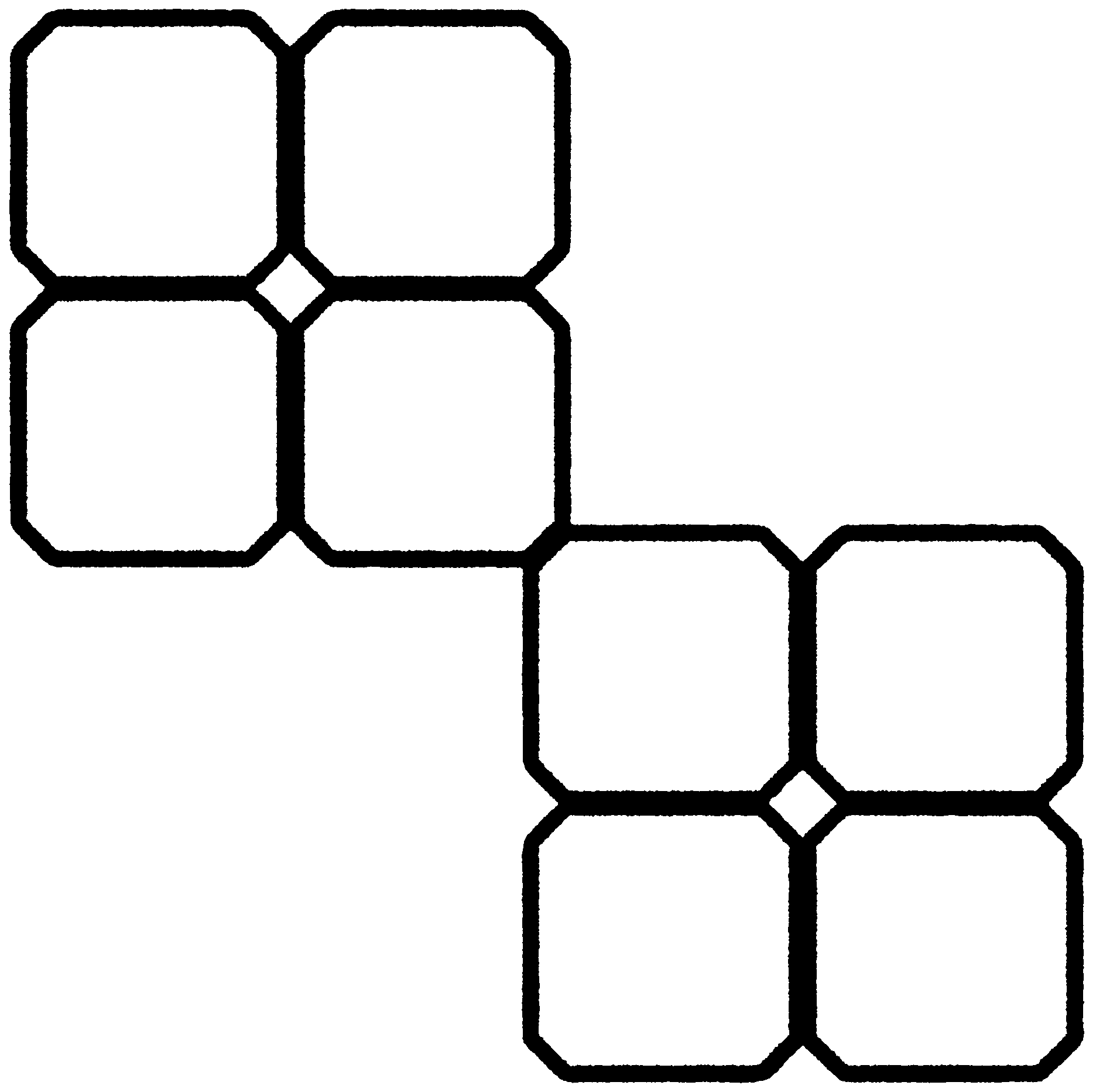
Designing with kids, for kids meant shifting the entire approach. Instead of a predetermined water feature that told them what to do, the idea evolved into a build-it-yourself play system—hexagonal pegboard islands that link in endless patterns, paired with foam channels kids can arrange to send water wherever they want it to go.
The solution was to create a modular water play system that kids could design themselves. Rather than a fixed structure that dictated how water should flow, Hydroslide became a construction kit: hexagonal pegboard islands that snap together in endless configurations, paired with foam channels that guide water across custom pathways.
This approach honored the creativity Quinn, Arjun, and Guinn showed in early prototypes. They didn't want to follow instructions—they wanted to build their own worlds. By making modularity the core feature, the design gave them that freedom while maintaining structural integrity and educational value.
The educational layer came through experimentation. As kids built and rebuilt pathways, they naturally encountered physics concepts: gravity pulling water downward, surface tension creating beads and streams, flow rate changing with channel angles. These weren't lessons taught—they were discoveries made through hands-on play.
Key design decisions that made this work:
Hexagonal shape: Allows six connection points per island, maximizing layout possibilities
Snap-together system: Easy assembly for small hands, stable enough for active play
Lightweight wood construction: Portable for outdoor use, durable for repeated builds
Bright foam channels: Visually guide water flow while being soft and safe
Through iterative prototyping with our co-creators, Hydroslide evolved from a single static board into a true play system—one that balanced open-ended creativity with structured STEM learning, all while staying true to the kids' original vision of dynamic, outdoor water play.
Discovery: The Probe Kits

Understanding our co-creators
Before meeting Quinn and Arjun, we sent custom "Probe Kits" to learn about their worlds:
"Become a Superhero" Kit
Insight into their creativity through a make-your-own-superhero activity. Revealed storytelling preferences and favorite characters.
"Brainstorm" Kit
A collage activity that gathered data on favorite things, colors, and interests—helping us understand what excites them.
"Robot Factory" Kit
Assessed creative thinking and building skills. Showed us how they approach construction and problem-solving.
Key insight: Each child approached the kits differently, revealing unique play patterns. We needed a system flexible enough to accommodate multiple play styles.
Co-Creation Sessions at KGMS

Three concepts, one shared vision
After analyzing the probe kits, we prototyped three distinct concepts and tested them directly with Quinn and Arjun:
Design A: Big Abacus
A supersized bead toy that invites kids to explore counting, patterns, and color sorting through tactile manipulation.
Feedback: Fun for younger kids, but our co-creators wanted something more dynamic and engaging for their age group.
Design B: Advanced Desk Fort
An inventive way to create customizable desk spaces. Modular panels for privacy and personalization.
Feedback: Cool concept, but felt restrictive. They wanted movement and outdoor play.
Design C: Guide-the-Water ⭐
A few Gore-Tex-coated cardboard tubes arranged as a water slide system. By far the most engaging—kids immediately started building and experimenting.
The winner: Design C became Hydroslide. Kids loved the open-ended nature and outdoor potential.
Development Process

From cardboard to plug-and-play
Initial prototypes used simple materials, but feedback revealed the need for more flexibility. A single static board was limiting—kids wanted to create their own layouts.
The breakthrough: A modular "plug and play" system with linkable island pieces. This gave children full creative control while maintaining structural integrity.
Key design decisions:
Hexagonal pegboard islands for infinite configurations
Snap-together connections for easy assembly
Lightweight wood construction for portability
Brightly colored foam channels to guide water flow
Final Design

Physics meets play
Hydroslide combines STEM learning with tactile outdoor fun. Kids build custom water pathways using modular boards and foam channels, then experiment with gravity, flow rate, and surface tension.
What makes it work:
Modular islands: Hexagonal boards connect in endless configurations
Textured channels: Foam tubes guide water across uneven surfaces
Outdoor-ready: Water-resistant materials built for messy play
Open-ended: No "right" way to build—encourages experimentation
Educational value: Teaches basic physics concepts (gravity, momentum, surface properties) through hands-on exploration.
Impact & Reflection

What I learned from co-creation
Working with Quinn, Arjun, and Guinn taught me that the best designs come from listening—not assuming. Kids don't need designers to solve their problems; they need partners who can help bring their ideas to life.
Key takeaways:
Co-creation requires humility and flexibility
The best feedback comes from watching people play, not asking questions
Simple materials can reveal complex insights
Iteration is faster when your users are invested in the outcome
What I'd do differently: Unfortunately, the project was cut short by COVID-19. Given more time, I would have:
Conducted more outdoor testing with larger groups
Refined the connection system for younger children
Explored water recycling features for sustainability